📖 In this article
💡 The quick scoop
No. Dog poop is not good fertilizer. Unlike cow or horse manure, it comes from a high protein diet, can burn and kill grass, and can carry bacteria and parasites like E. coli, Salmonella, roundworms and hookworms. The EPA lists pet waste as a nonpoint source pollutant. Bag it and trash it instead.
It is one of the most common things we hear: “Just leave it, it’s good for the grass.” It sounds logical. Farmers spread manure, so why not dog poop? Here is why that idea does not hold up, and what is actually happening in your lawn.
Why dog poop is not like cow manure
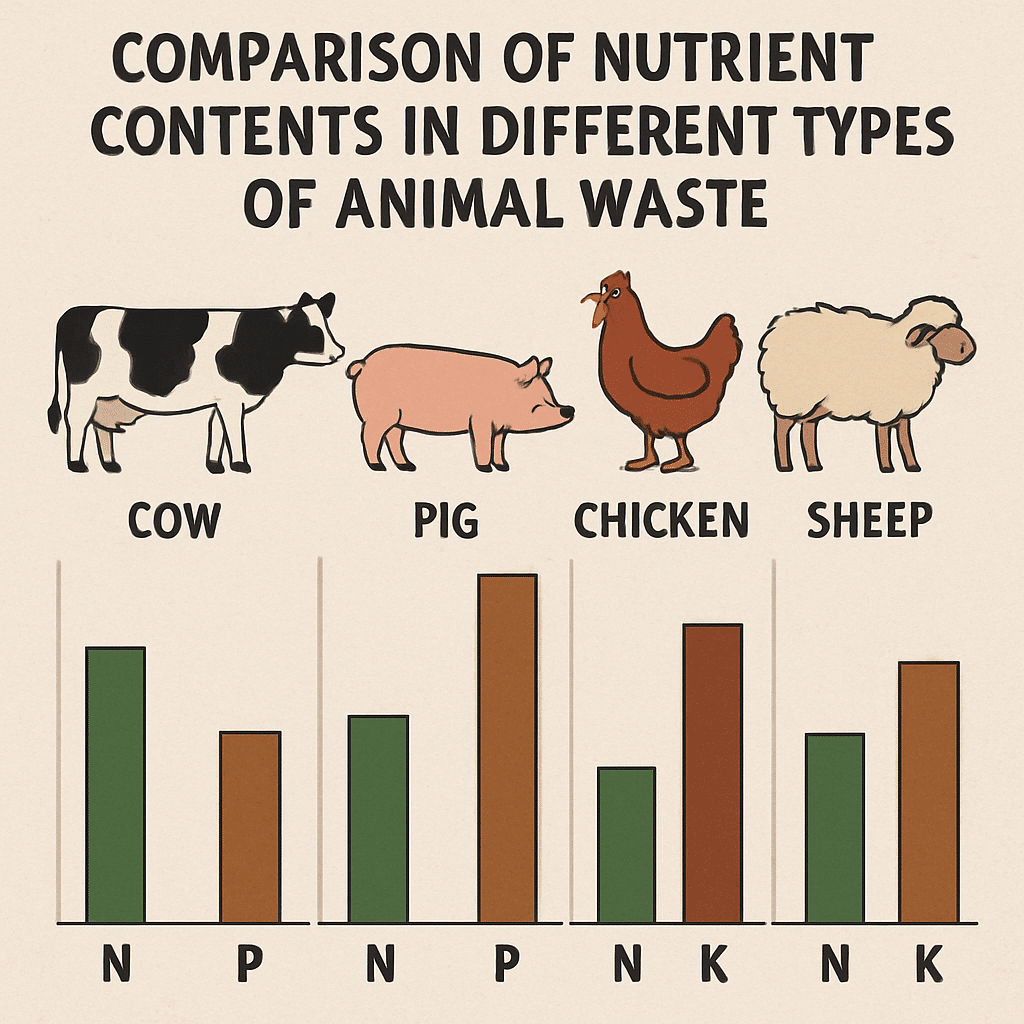
Traditional manure comes from herbivores like cows, horses and sheep that eat plants. Dogs eat a high protein, meat based diet, so their waste is very different. It tends to be more acidic and more concentrated, and it is far more likely to carry germs that can make people and pets sick.
Farm manure is also usually aged or composted before it goes on fields, which is very different from a fresh pile sitting on your lawn for weeks.
What dog poop actually does to your lawn
- Burns grass: Concentrated nitrogen in one spot can scorch the grass underneath, leaving brown or yellow patches.
- Smothers turf: A pile blocks sunlight and air, and the grass beneath it struggles.
- Breaks down slowly: Dog poop can sit in a yard for weeks to months before it fully breaks down, especially in cold weather.
- Feeds weeds and algae downstream: When rain washes it away, the nutrients feed weeds and algae in streams instead of your lawn.
The health problem hiding in the grass
Dog waste can carry bacteria and parasites including E. coli, Salmonella, Giardia, roundworms and hookworms. Some of these, like roundworm eggs, can survive in soil for months or even years according to the CDC. That is why university extension programs and veterinarians say dog waste should never go into compost used for vegetable gardens.
💩
MYTH BUSTER
The EPA classifies pet waste as a nonpoint source pollutant, the same broad category as runoff from things like fertilizer, oil and chemicals. EPA watershed materials estimate that two or three days of droppings from about 100 dogs can add enough bacteria to temporarily close a bay to swimming and shellfishing.
We scoop the whole yard every week and sanitize our tools between every home. Your first cleanup is free.
Why this matters in Delaware and Maryland
Here in Delaware and Cecil County, a huge share of our rain eventually drains toward the Chesapeake Bay and the Delaware River. Poop left on lawns gets washed into storm drains, and storm drains usually flow straight to creeks without treatment. Picking up after our dogs is one of the easiest things every household can do to protect local water.
Can you compost dog poop?
You can, but carefully, and never for food gardens. Backyard compost piles often do not get hot enough to reliably kill parasite eggs. If you want to try it, use a dedicated pet waste composter and only use the finished compost on ornamental plants, away from vegetables and play areas.
What to do instead
- Bag it and trash it. Double bagging and placing it in your outdoor trash is the simplest safe option.
- Pick up often. The CDC recommends picking up pet waste daily.
- Use real fertilizer. If your lawn needs a boost, use a fertilizer made for lawns, or properly composted herbivore manure.
- Fix the smell too. Dog urine spots and lingering odor can be treated with a pet safe yard deodorizer.
Frequently asked questions
Does dog poop help grass grow?
No. Dog poop more often burns and smothers grass, leaving brown patches, and it carries bacteria and parasites.
How long does dog poop take to decompose?
It can take weeks to many months depending on weather, diet and the size of the pile, and parasite eggs can stay in the soil even longer.
Is dog poop bad for the environment?
Yes. The EPA considers pet waste a nonpoint source pollutant because rain washes its bacteria and nutrients into storm drains and waterways.
Can I bury dog poop in my yard?
It is not recommended near gardens, wells or play areas because parasite eggs can survive in soil. Bagging it for the trash is safer.
Can I flush dog poop?
Some public agencies say flushing is acceptable where it goes to a wastewater treatment plant, but never flush bags, even ones labeled flushable, and check your local rules and septic system first.
📚 Our sources (4)
- EPA: Pet Care Fact Sheet (Nonpoint Source)
- Whole Dog Journal: Can You Use Dog Poop as Fertilizer?
- Vetstreet: Proper Pet Waste Disposal
- CDC: How Toxocariasis Spreads
This article is for general education and is not veterinary or medical advice. Talk to your veterinarian or doctor about your specific situation.
We are a locally owned pet waste removal company in Newark, Delaware, scooping yards across Delaware and Cecil County, Maryland every week. We write these guides from what we see in real yards and back every fact with public health and veterinary sources.